Keeping a yard attractive in North Texas can take a fair amount of work. Plano, Dallas, Fort Worth, and nearby DFW communities experience hot summers, intense sunlight, periods of dry weather, and occasional heavy rainfall. Many properties also have clay-heavy soil that can become hard when dry and hold water after heavy rain.
That doesn’t mean your landscape has to be difficult to maintain. With the right plants, lawn areas, irrigation, and hardscaping, you can create an outdoor space that looks good without spending every weekend mowing, watering, pruning, and weeding.
Here are some practical low-maintenance Texas landscape ideas for North Texas homeowners.
Why North Texas Landscapes Need a Different Approach
A landscape that works well in another part of the country may not perform the same way in North Texas. Heat, sunlight, rainfall patterns, soil conditions, and water availability all affect how much care a yard needs.
The goal of low-maintenance landscaping isn’t to create a completely maintenance-free yard. Every landscape needs some attention. Instead, good planning can reduce unnecessary work and make routine maintenance more manageable.
Choosing plants suited to the location, limiting unnecessary turf, and putting irrigation and hardscape to practical use can make a significant difference over time.
Choose Texas-Adapted Plants
Plant selection is one of the biggest factors in low-maintenance landscape design.
Native and Texas-adapted plants can be good choices because they are better suited to the region’s environmental conditions than plants that struggle with North Texas heat. However, even a native plant isn’t automatically right for every location.
Before choosing plants, consider how much sun the area receives, how well the soil drains, how much room the plant will have when mature, and how much water it typically needs.
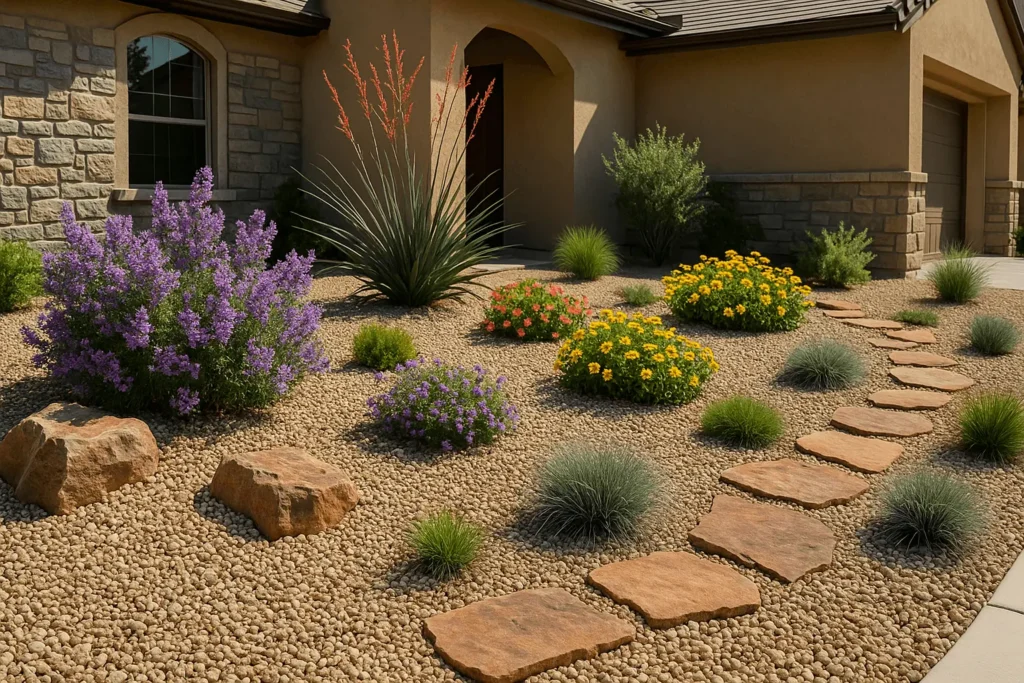
Plants such as Texas sage, yaupon holly, autumn sage, lantana, and certain ornamental grasses may work well in appropriate locations. The best choices will depend on the individual property.
Grouping plants with similar water and sunlight requirements can also simplify irrigation and ongoing care.
Reduce the Amount of Lawn
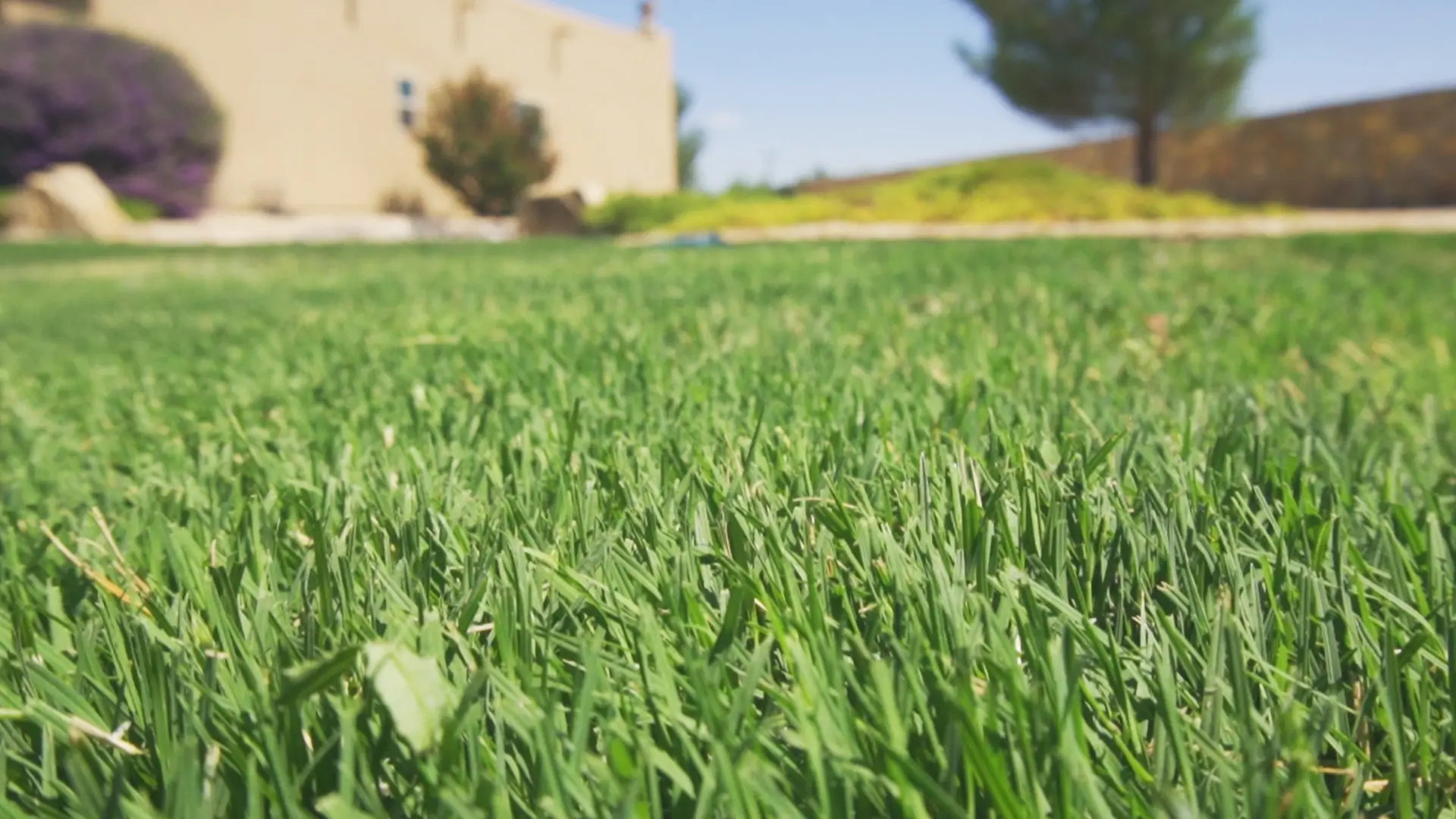
Grass is useful for play areas, pets, entertaining, and open spaces, but maintaining more turf than you actually need creates additional work.
Look around your property and identify areas that aren’t being used. A narrow strip of lawn along a fence, for example, may be better suited to a planting bed, mulch, or another landscape feature.
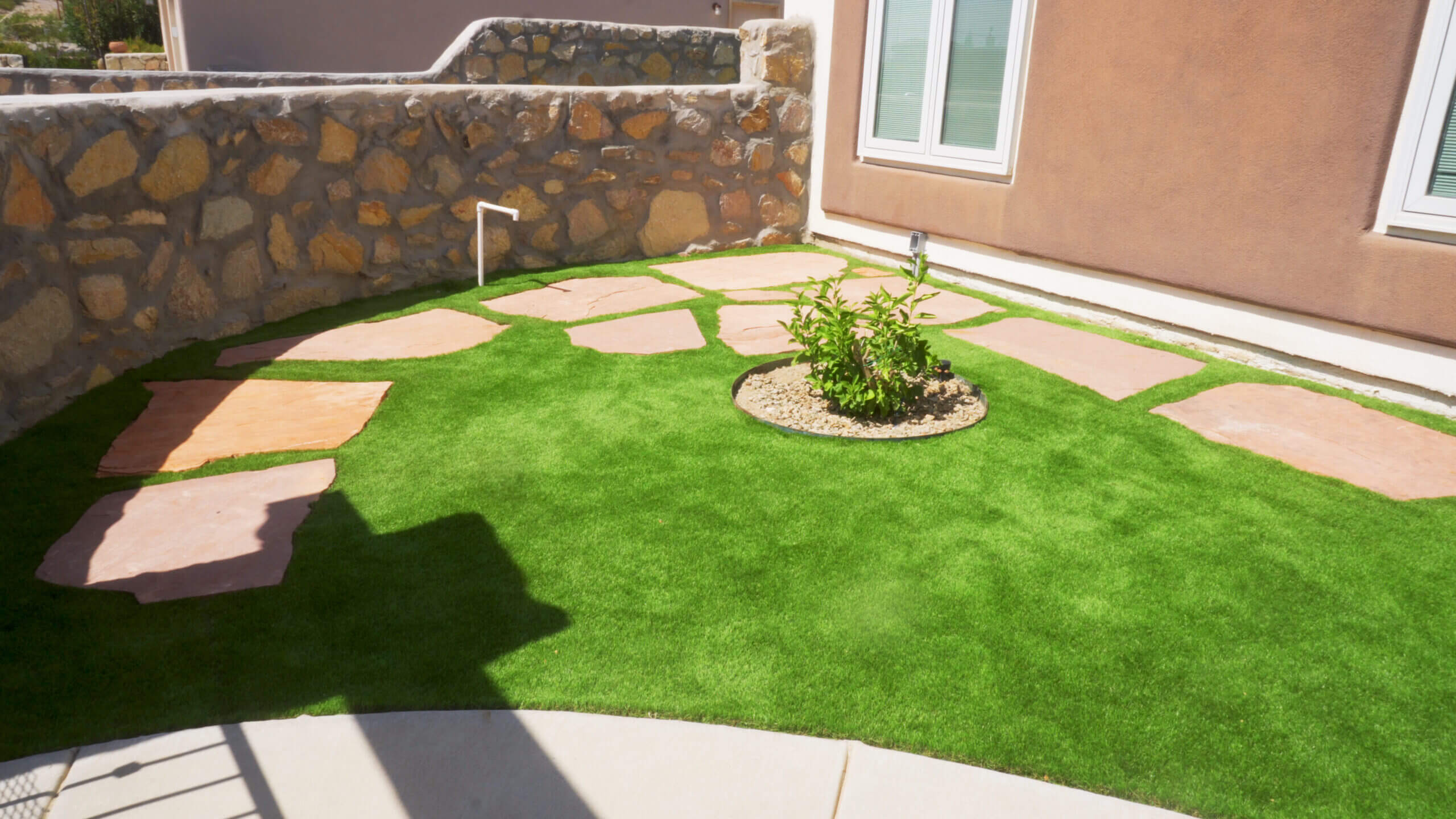
You don’t have to remove all your grass. Keeping turf where it serves a purpose while reducing it in less useful areas can make the yard easier to manage. For homeowners who already have artificial turf, artificial grass cleaning can be part of keeping the area looking presentable.
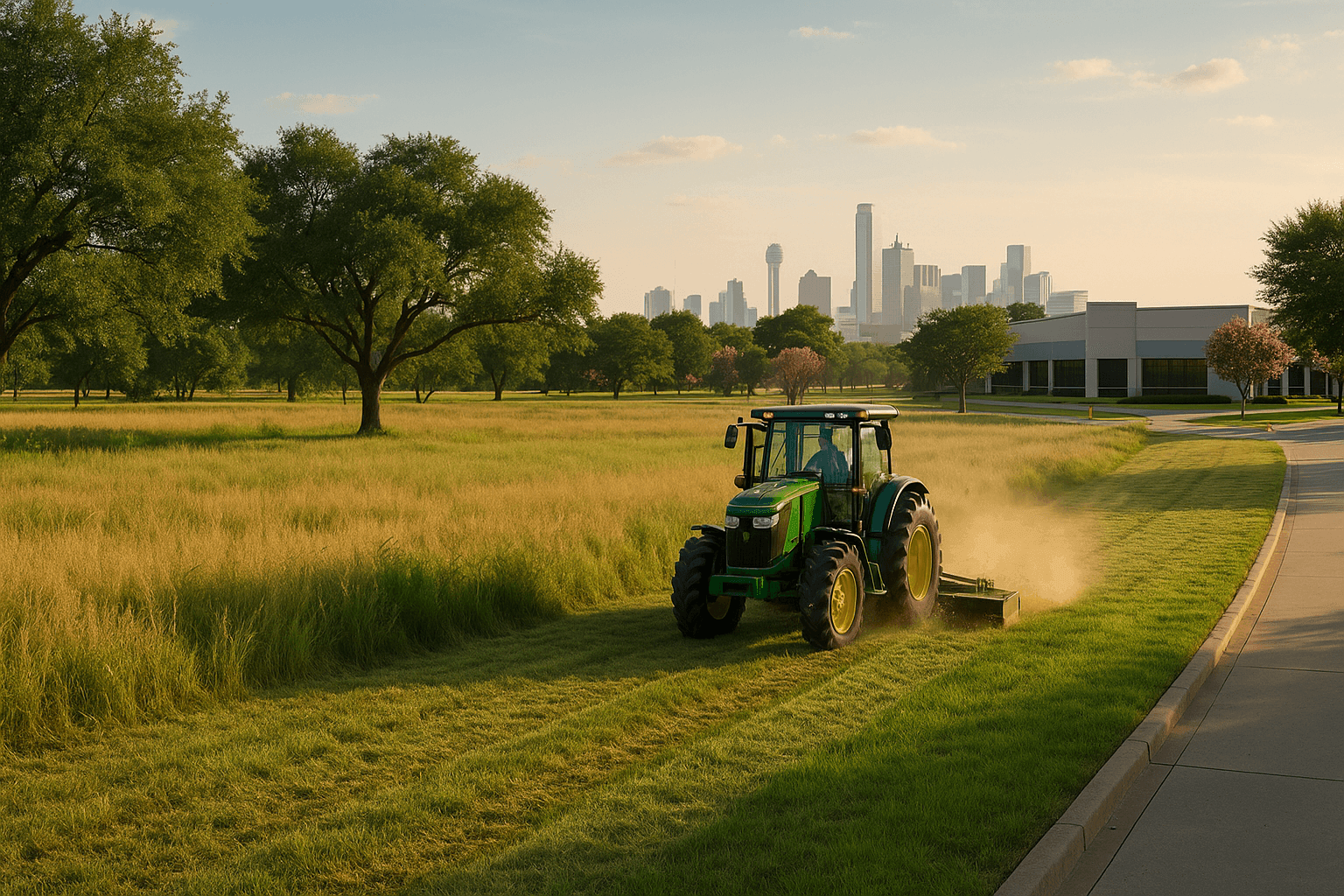
For homeowners who want to keep their lawn but don’t want to handle every mowing cycle themselves, VistaScapes provides Plano lawn mowing services.
Use Mulch and Defined Planting Beds
Well-defined planting beds can make a landscape look more organized while simplifying routine maintenance.
Mulch can help cover exposed soil, reduce evaporation, moderate soil temperatures, and make weeds easier to manage. It also creates a clean transition between plants and lawn.
When creating a planting bed, give plants enough room to reach their mature size. Overcrowding may look attractive initially, but plants that outgrow their space often require frequent pruning.
A simple bed with a few well-chosen plants can be easier to maintain than a collection of plants with different watering and pruning needs.
Make Irrigation More Efficient
Watering can become a major chore during a North Texas summer, particularly when a landscape contains plants with very different water requirements.
An efficient irrigation system should deliver water where it’s needed rather than treating the entire yard the same way. Drip irrigation can be useful for many planting beds, while properly adjusted sprinklers can help irrigate turf efficiently.
Check your system periodically for leaks, broken sprinkler heads, and areas that are being overwatered. Adjust watering schedules as weather conditions change, and follow applicable local watering requirements.
Grouping plants according to their water needs can make this process easier. A landscape that contains plants with similar requirements in the same irrigation zone is generally simpler to manage.
Add Practical Hardscaping
Hardscaping is another useful part of Texas landscaping ideas for homeowners who want to reduce maintenance.
Patios, walkways, gravel areas, retaining walls, and other hardscape features don’t need mowing or routine watering. They can also make the yard more functional.
For example, a patio can provide a dedicated area for outdoor dining or seating while reducing the amount of turf in that part of the backyard.
The goal isn’t to replace every planted area with hardscape. A balanced combination of lawn, plants, mulch, and hardscape can create an attractive landscape that is easier to care for.
Low-Maintenance Front Yard Landscaping Ideas
Your front yard is the part of the property most people see, so it should look intentional without becoming a maintenance burden.
One approach is to use larger, clearly defined planting beds with a limited selection of complementary plants. Repeating plants throughout the bed can create a consistent appearance and simplify irrigation and pruning.
You can also reduce the amount of lawn around driveways and walkways by adding appropriately sized planting areas.
For Texas front yard landscaping, pay attention to afternoon sun, mature plant size, drainage, and visibility around entrances and walkways. Plants that eventually grow over paths or windows can create unnecessary maintenance.
Low-Maintenance Backyard Landscaping Ideas
The backyard gives you more freedom to design around the way you actually use the space.
If your family spends evenings outside, consider dedicating part of the yard to a patio or outdoor living area. If you have children or pets, retain enough open lawn for those activities rather than trying to eliminate turf.
Other Texas backyard landscaping ideas include mulched planting beds, shade trees, simple pathways, native or adapted plants, and practical hardscape areas.
You don’t need to landscape every square foot. Leaving some areas open can make the yard easier to use and maintain.
Don’t Forget About Shade
Shade can make a North Texas yard considerably more comfortable during hot weather.
Trees can provide natural shade, but location matters. Consider mature size, available space, roots, overhead utilities, and proximity to structures before planting.
Pergolas, covered patios, and other shade structures can provide additional options where appropriate.
The best solution depends on where shade is needed and how the outdoor space will be used.
Low-Maintenance Doesn’t Mean Maintenance-Free
A low-maintenance landscape still needs attention. Plants grow, leaves fall, irrigation systems need occasional inspection, and lawns require seasonal care.
The difference is that thoughtful design can reduce how often those jobs need to be done.
For example, choosing a shrub that naturally stays within the available space means less pruning. Reducing unnecessary turf means less mowing. Efficient irrigation can make watering easier, while mulch can reduce exposed soil and some weed pressure.
Think of low maintenance as less unnecessary work, rather than no work at all. Seasonal attention is still important, and our guide to winter lawn care and maintenance covers some of the steps homeowners can take before colder weather arrives.
When Professional Landscape Design Makes Sense
Some landscape projects are straightforward, while others involve several moving parts—drainage, existing trees, lawn areas, planting beds, irrigation, walkways, and outdoor living spaces.
Professional landscape design can be useful when you’re planning a larger renovation or aren’t sure how to combine these elements effectively.
A site-specific plan can help you select plants and landscape features based on the property’s conditions rather than choosing elements simply because they look good in a picture.
If you’re planning a new landscape or updating an existing one, VistaScapes’ landscape design services in Plano can help you develop a plan around your property and goals.
Frequently Asked Questions
What are the best low-maintenance plants for North Texas?
The best plants depend on the specific location, including sunlight, soil, drainage, and available water. Native and Texas-adapted plants can be good starting points when matched appropriately to site conditions.
How can I reduce lawn maintenance in Texas?
Reduce unnecessary turf and use planting beds, mulch, hardscaping, or other suitable landscape features in areas that don’t need grass. Maintaining the remaining lawn with an appropriate mowing and watering routine can also reduce problems.
Does low-maintenance landscaping use less water?
It can. Choosing plants suited to local conditions, grouping plants by water needs, reducing unnecessary turf, applying mulch, and improving irrigation efficiency can all help reduce unnecessary water use.
What are good low-maintenance ideas for a Texas backyard?
Consider combining a manageable lawn area with low-maintenance planting beds, mulch, hardscaping, and appropriately selected plants. Designing the yard around how you use it can also prevent you from maintaining areas that provide little practical value.
Create a Lower-Maintenance Landscape in North Texas
A low-maintenance landscape doesn’t have to mean giving up the look or functionality you want from your yard. The right combination of plants, lawn, irrigation, mulch, hardscaping, and shade can make an outdoor space more manageable while still keeping it attractive.
Larger properties may require a different approach to lawn maintenance, and tractor mowing in Dallas-Fort Worth can be an option for suitable open areas and acreage.
For homeowners in Plano and throughout North Texas, start with the conditions of your property and how you actually use the space. If you’re ready to make your yard easier to maintain, contact VistaScapes LLC to discuss your landscaping project.