
Lawn Mower Service
Spring signals the start of the lawn mowing season, and with summer fast approaching, home and business owners are quickly locking down lawn mowing and landscaping services for their yards. Regular mowing is one of the most effective ways of ensuring that your lawn remains green and full throughout the warmer months of the year.
If you are in search of a reliable lawn mowing service in your area and want to learn more about how professional lawn mowing services can benefit your outdoor space, this page will help provide the answers you need.
VistaScapes provides professional lawn mowing services across multiple service areas. Contact our team to check availability in your location.
“VistaScapes provides professional lawn mowing services designed to keep your lawn clean, healthy, and well-maintained. Our services include mowing, edging, trimming, and cleanup, tailored to meet the needs of residential and commercial properties.
Other Services We Offer:
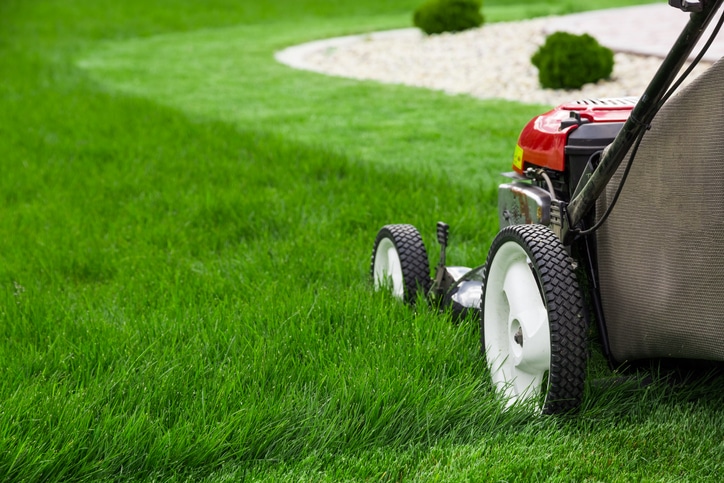
Why Should I Use a Professional Lawn Mowing Service?
There are many reasons why homeowners prefer to use a professional lawn mowing service as opposed to just mowing their lawn.
First off, professional mowers have all of the equipment needed to cut your lawn efficiently in a minimal amount of time. This saves you from having to go round up all the necessary equipment and keep it maintained and full of gas.
Professional lawnmowers also have the experience and know-how to deal with difficult yard situations. If your grass is too high, they have the tools for that. If specialized trimmers are needed to accurately edge your lawn — guess what, they have the tools for that. And if you have a patch of dead grass or need some fertilizer, they have the tools to handle that too.
By partnering with a dependable yard mowing service, you ensure that your lawn is handled with the care and expertise it deserves. Even better, you get to kick back and enjoy your weekend instead of being forced to haul a lawnmower across your yard all afternoon.
Benefits of Hiring a Lawn Mowing Company
Keeping your lawn looking lush and well-maintained takes time, effort, and the right tools. By hiring a lawn mowing company, you can ensure that your yard is always in top shape without the hassle of handling it yourself.
- Saves Time & Effort: Avoid spending your weekends pushing a mower and let professionals take care of the job quickly and efficiently.
- Professional Equipment and Expertise: A grass mowing service comes equipped with high-quality tools and the knowledge to mow your lawn the right way.
- Improves Lawn Health: Proper mowing techniques promote healthier grass growth, reducing patchiness and promoting a fuller, greener lawn.
- Cost-Effective in the Long Run: Avoid the expenses of buying and maintaining lawn care equipment while ensuring your lawn is always professionally maintained.
- Custom Lawn Care Plans: Many residential lawn mowing services offer flexible mowing schedules to fit your lawn’s specific needs.
- Enhances Curb Appeal: A well-maintained lawn boosts the overall look of your home, increasing property value and neighborhood appeal.
- No More Mowing-Related Stress: Say goodbye to worrying about lawn care and enjoy a perfectly trimmed yard without lifting a finger.
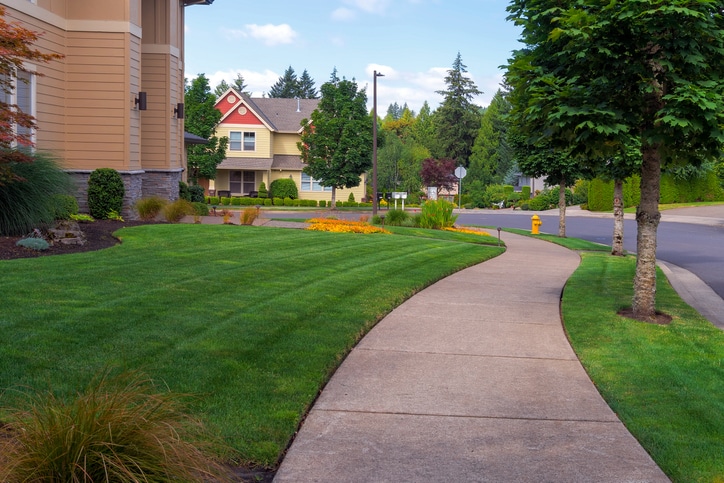
Lawn Mowing for Different Grass Types
Not all lawns are the same, and different grass types require specific mowing techniques and schedules to stay healthy and vibrant. Understanding how to properly care for your lawn based on the type of grass can make a significant difference in its overall appearance and longevity.
Warm-Season vs. Cool-Season Grasses
Grasses fall into two main categories: warm-season and cool-season. Each type grows best in different climates and has unique mowing needs.
- Warm-Season Grasses (e.g., Bermuda, Zoysia, St. Augustine) thrive in hotter climates and grow most actively in late spring and summer. They should generally be mowed every 5–7 days during peak growth seasons.
- Cool-Season Grasses (e.g., Kentucky Bluegrass, Fescue, Ryegrass) grow best in cooler climates and are most active in the spring and fall. These grasses typically need weekly mowing to stay healthy.
Proper Mowing Heights for Popular Grass Types
Cutting your grass too short can weaken it, while letting it grow too tall can lead to an unkempt, unhealthy lawn. Below are the recommended mowing heights for common grass types:
- Bermuda Grass: 1 to 1.5 inches
- Kentucky Bluegrass: 2.5 to 3.5 inches
- Zoysia Grass: 1 to 2 inches
- St. Augustine Grass: 3 to 4 inches
- Tall Fescue: 3 to 4 inches
- Perennial Ryegrass: 2 to 3 inches
Mowing Best Practices for Healthy Growth
To keep your lawn in optimal condition, follow these mowing lawn best practices:
- Follow the One-Third Rule: Never cut more than one-third of the grass blade length at a time to prevent stress and promote strong roots.
- Adjust Mowing Frequency by Season: Grass grows faster in spring and summer, requiring more frequent mowing, while in fall and winter, growth slows down.
- Use Sharp Blades: Dull mower blades tear the grass instead of making clean cuts, leading to a brown, unhealthy lawn.
- Leave Grass Clippings: Instead of bagging, leave clippings on the lawn as a natural mulch to return nutrients to the soil.
Tell Us About Your Project